


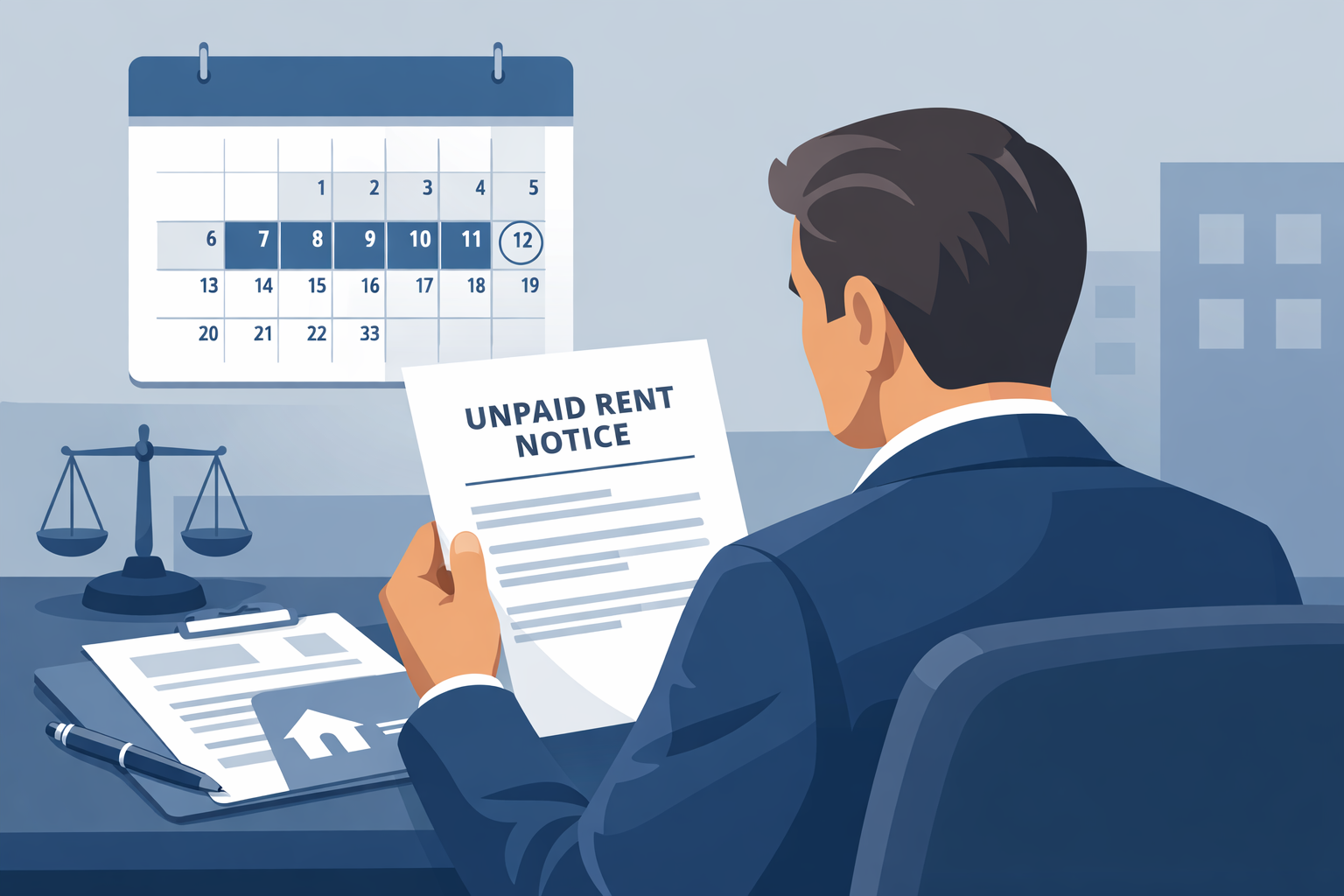
Maryland Failure to Pay Rent: Understanding the 10-Day Notice Requirement
Maryland Failure to Pay Rent Eviction: The 10-Day Notice Landlords Must Serve

Maryland Lease Enforcement: Stop Calling Nonpayment a “Breach” (and Start Winning on Procedure)
If you treat unpaid rent as a “breach of lease” problem, you can end up serving the wrong notice, filing the wrong complaint, or building an evidentiary record that does not match the statute you are proceeding under.

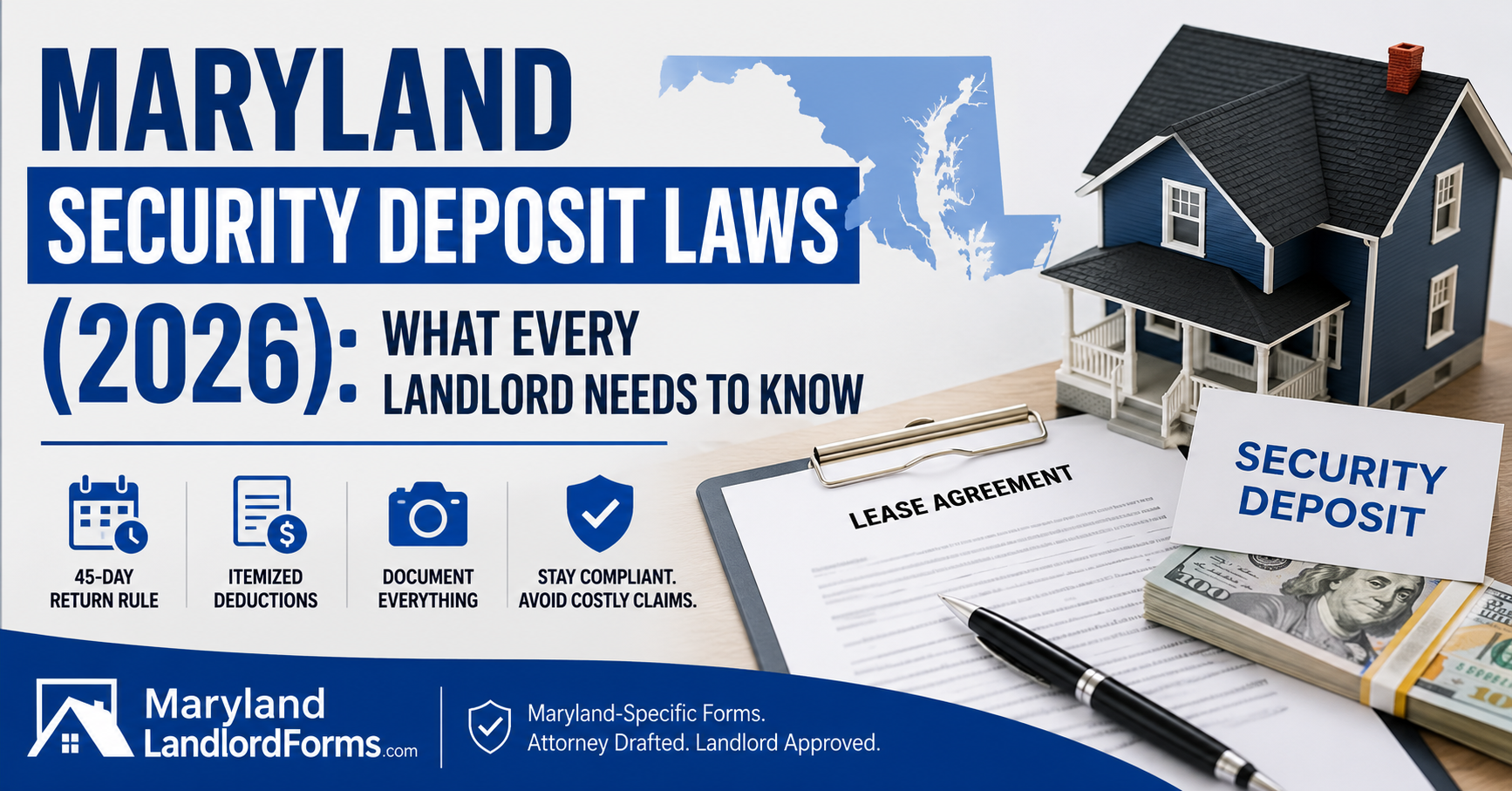
Maryland’s One-Month Security Deposit Cap: A Landlord-Focused Compliance and Risk Playbook
Maryland has materially changed the economics of leasing by reducing the standard maximum security deposit from two months to one month’s rent for most new residential leases. For landlords, the change is less about politics and more about operational reality: you now have less cash collateral to cover move-out risk, so underwriting, documentation, and lease enforcement need to tighten.
Maryland Tenant “Holdover” Laws (Staying After the Lease Ends): A Practical Guide.
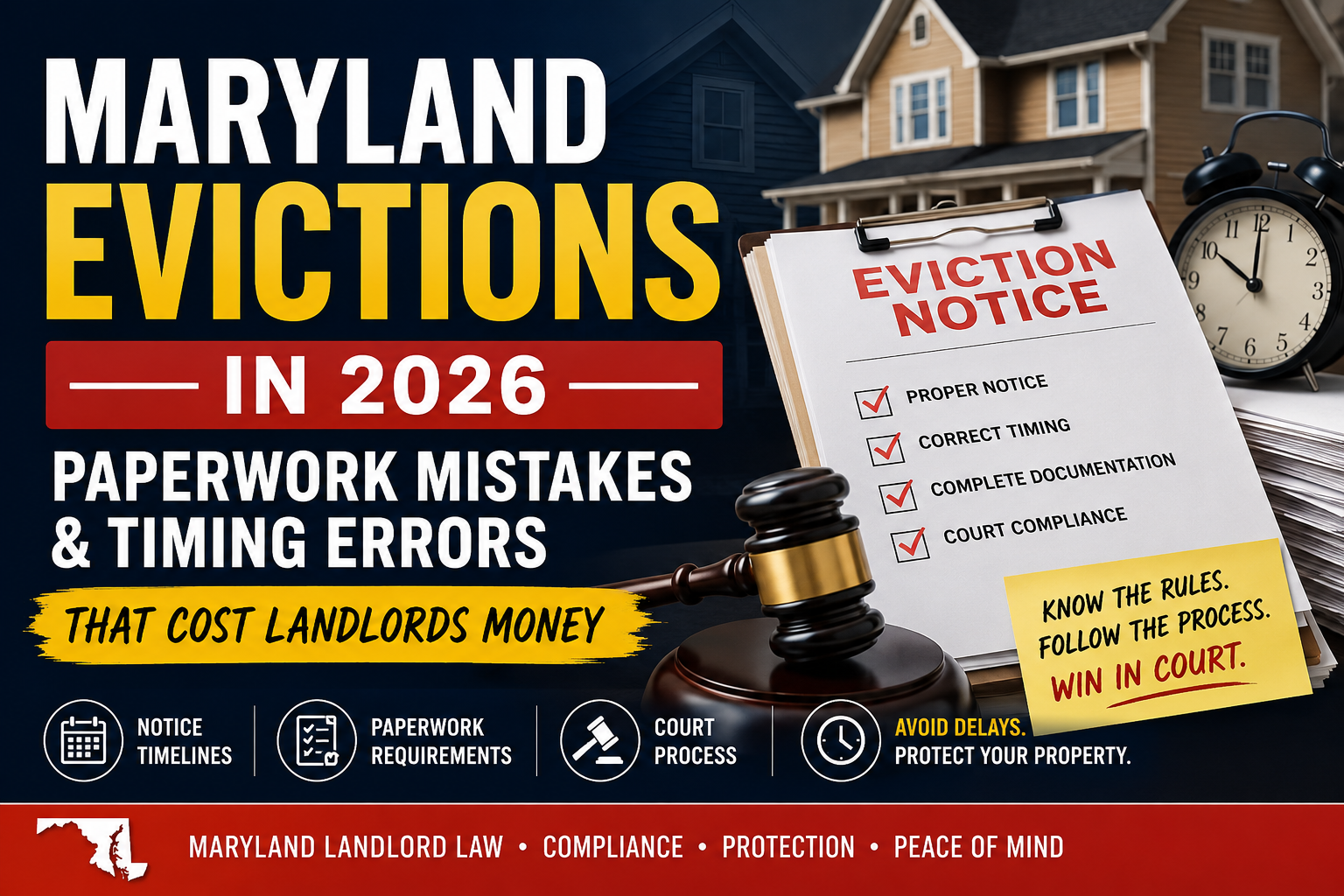
Maryland’s holdover framework is not just “lease ends, tenant leaves.” It is a structured process with strict notice timelines, a District Court case, and an eviction that—if it happens—must proceed through the warrant of restitutionprocess with required notices
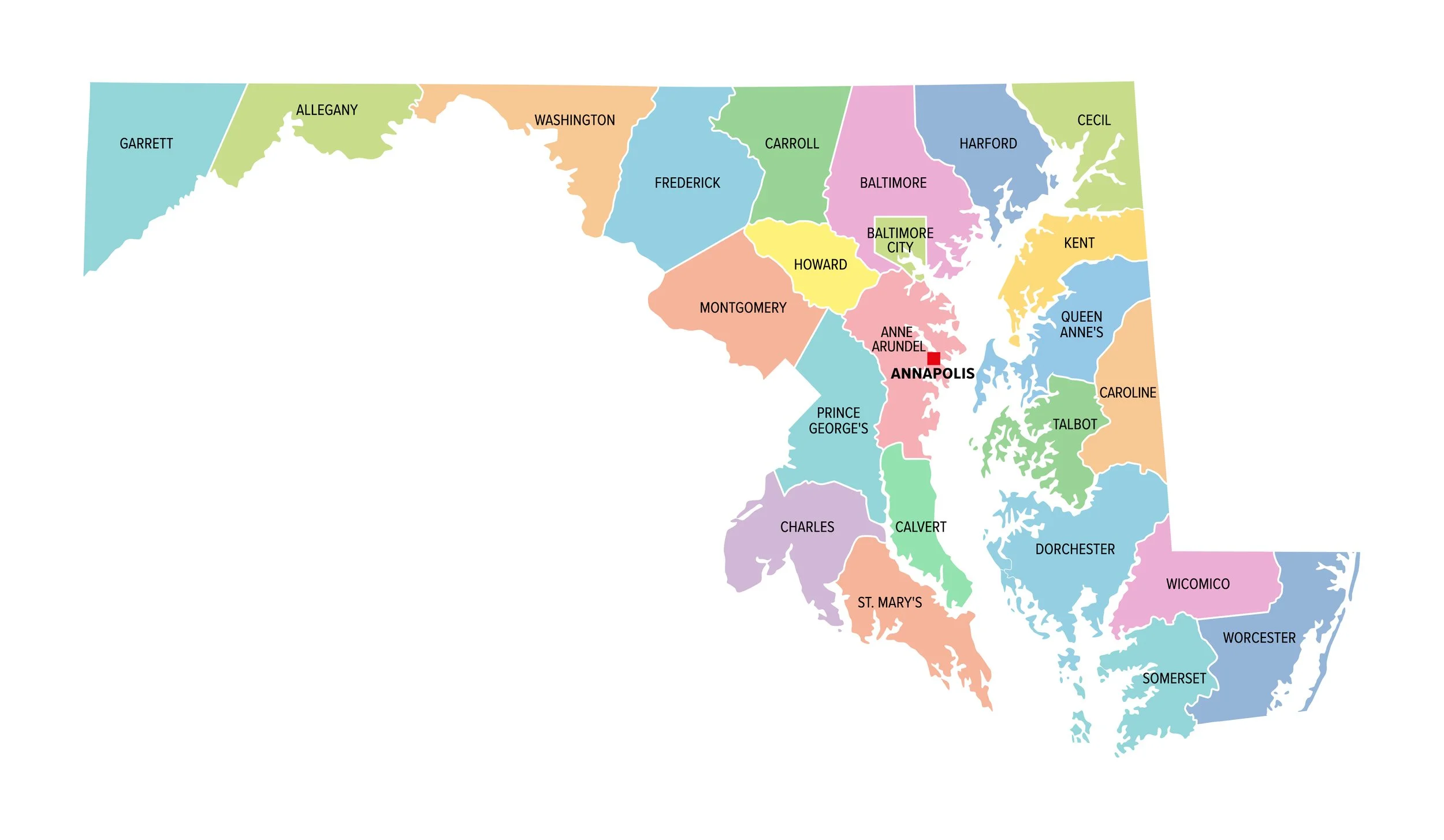
Early Lease Termination in Montgomery County, Maryland: What’s Different From Maryland State Law
Montgomery County recognizes an early termination pathway that is broader than typical state-law carveouts: under certain circumstances, a tenant may terminate with 30 days’ written notice for “reasons beyond the tenant’s control,” and the notice does not have to match the rent payment cycle

maryland’s Tenant Right of First Refusal
Maryland law provides tenants in certain situations with a Right of First Refusal when a landlord intends to sell a rental property. For landlords, failing to comply with this requirement can delay a sale, invalidate a transaction, or expose the landlord to legal claims.